


Recent RBA rate hike and its effect on the Australian property market and private lenders
The Reserve Bank of Australia (RBA) has recently increased interest rates. This decision is a response to rising inflation and aims to stabilize the economy.
Such rate hikes have significant implications for the Australian property market. Higher interest rates typically lead to increased mortgage rates, affecting homebuyers and investors alike.
The property market may experience a slowdown in growth due to these higher borrowing costs and Property development finance becomes more expensive, potentially delaying or halting new projects.
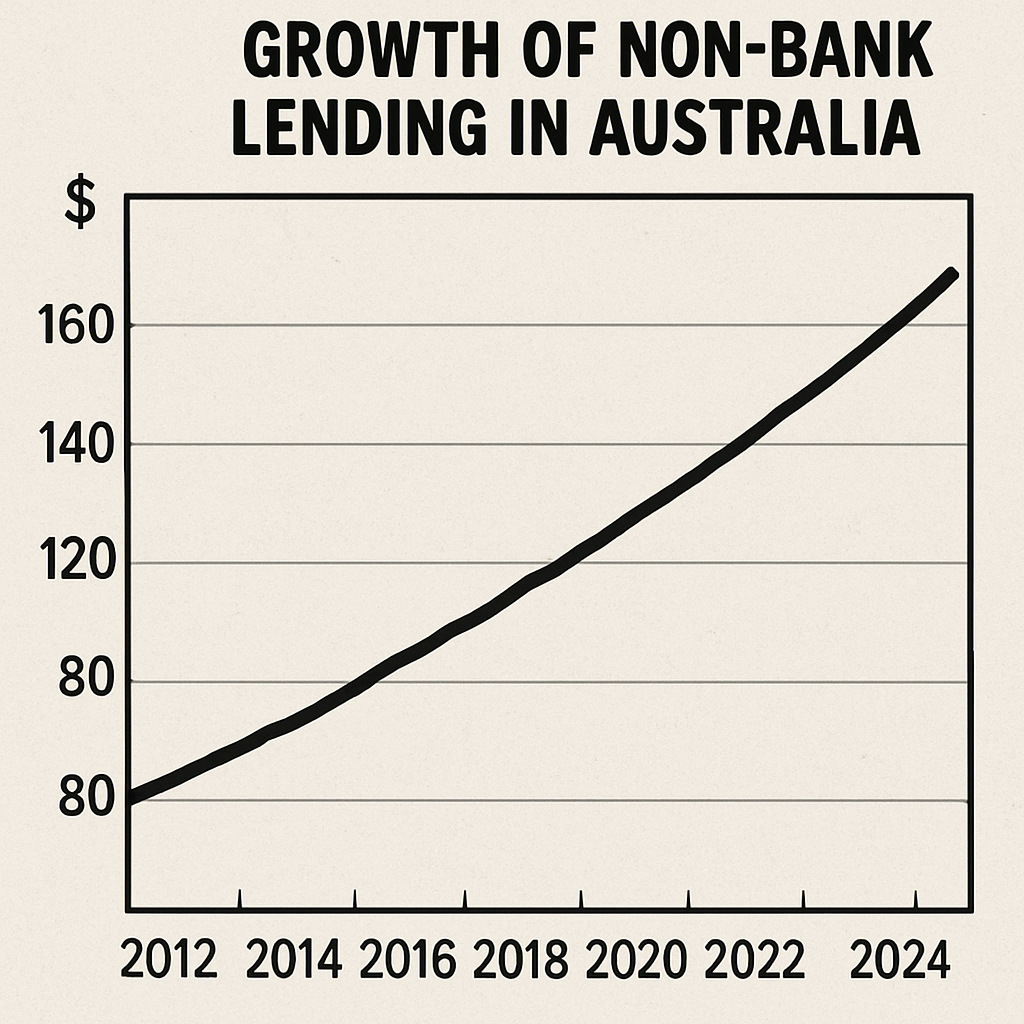
Non-bank lenders and private lenders in Australia might see increased demand as borrowers seek alternative financing options. Bridging finance and construction finance could become more attractive due to their flexibility and faster approval processes.
Understanding these changes is crucial for investors, developers, and lenders navigating this evolving landscape.
Understanding the Recent RBA Rate Hike
The recent decision by the RBA to increase interest rates is driven by multiple economic factors. A primary concern is the rise in inflationary pressures impacting the Australian economy.
Central banks globally, including the RBA, are taking similar actions to curb inflation. This strategy aims to ensure long-term economic stability and prevent overheating in key sectors.
Rising rates affect various parts of the economy differently. Consumer spending, investment decisions, and savings patterns may all adjust in response. For borrowers, increased interest rates typically result in higher repayment obligations.
Key reasons behind the RBA rate hike include:
- Controlling inflationary trends.
- Aligning with global monetary policies.
- Targeting sustainable economic growth.
These rate hikes also underscore the need for solid financial planning. Both individuals and businesses must adapt to the new interest landscape. Understanding these dynamics helps stakeholders make informed financial decisions in a changing environment.
Immediate Impact on Mortgage Rates and Borrowers
The RBA’s rate hike directly affects mortgage rates in Australia. As banks respond, homeowners with variable-rate mortgages see immediate changes. Monthly mortgage repayments increase as a result.
For many borrowers, these increased costs are significant. Budget adjustments become necessary as discretionary spending decreases to cover higher payments. New borrowers face stricter lending criteria from banks.
Fixed-rate mortgage holders are temporarily shielded. However, they will experience the impact once they refinance. Planning for future rate adjustments becomes essential.
Potential impacts on borrowers include:
- Increased variable mortgage repayments.
- Rising fixed rates upon renewal.
- Stricter lending conditions for new applications.
Homebuyers may reconsider purchasing plans due to affordability concerns. The dream of homeownership could be delayed for some. Meanwhile, others might opt for smaller or less expensive properties.
This rate environment emphasizes the importance of financial resilience. Borrowers need to evaluate their financial health and adapt to changing mortgage dynamics. Mortgage brokers and financial advisors become crucial allies in navigating these complexities.
Effects on the Australia Property Market
The recent RBA rate hike impacts the broader Australia property market. With increased borrowing costs, potential buyers reassess their purchasing power. This reaction may slow down property demand.
Property developers face higher costs for financing projects. Delays or halts in new developments could occur. As construction slows, housing supply might tighten.
Regional markets could respond differently. Some areas may withstand rate hikes due to strong local economies. Others might experience significant slowdowns in property transactions.
Key impacts on the property market include:
- Slowed demand due to higher borrowing costs.
- Potential delays in property development projects.
- Regional variations in market resilience.
Investors might become cautious, shifting focus from high-risk ventures. Safer investments may appear more attractive during volatile times. A reduced risk of a housing bubble could benefit long-term stability.
Rental demand might rise as buyers opt to rent instead. This trend could pressure rental markets, influencing rent prices. For potential first-time buyers, affordability issues may lead to longer rental periods.
Adapting to these market changes requires strategic thinking. Stakeholders must assess property values and potential returns carefully. Flexibility and readiness to pivot will be valuable assets.
Effects on the Australia Property Market
The recent RBA rate hike impacts the broader Australia property market. With increased borrowing costs, potential buyers reassess their purchasing power. This reaction may slow down property demand.
Property developers face higher costs for financing projects. Delays or halts in new developments could occur. As construction slows, housing supply might tighten.
Regional markets could respond differently. Some areas may withstand rate hikes due to strong local economies. Others might experience significant slowdowns in property transactions.
Key impacts on the property market include:
- Slowed demand due to higher borrowing costs.
- Potential delays in property development projects.
- Regional variations in market resilience.
Property Development Finance: Rising Costs and Delays
The RBA’s rate hike significantly affects property development finance. Developers find themselves facing higher costs for loans. This scenario could lead to project delays or cancellations.
Escalating interest rates challenge developers’ budgets. Managing these increased expenses requires careful planning. Investors may become wary of committing to new ventures.
Developers might need to adjust their financial strategies. Exploring alternative lending options becomes a priority. Non-bank lenders offer flexible solutions but demand thorough evaluation.
Key considerations for developers include:
- Adjusting project budgets to account for increased financing costs.
- Exploring alternative financing from non-bank lenders.
- Assessing the viability of ongoing and future projects.
Developers must communicate effectively with stakeholders. Transparency can help in negotiating terms and maintaining confidence. Flexibility in project timelines could mitigate financial strain.
Navigating these challenges requires strategic foresight. Maintaining financial resilience will be essential. Adapting to market shifts can safeguard future success.
The Role of Non-Bank and Private Lenders in Australia
The recent RBA rate hike has heightened the significance of non-bank and private lenders in Australia. As traditional banks increase their interest rates, borrowers are seeking alternative options. Non-bank lenders offer flexibility and swift processing, making them attractive in this climate.
Private lenders in Australia typically focus on catering to those underserved by traditional financial institutions. These lenders offer competitive terms, leveraging faster approval processes to draw in customers. With the changing economic environment, their role is increasingly vital.
Borrowers may prefer non-bank lenders due to their adaptability. These lenders can tailor financial solutions, accommodating unique borrower needs. Their capacity to innovate gives them an edge in a competitive market.
Key offerings of non-bank and private lenders include:
- Flexible lending criteria and terms.
- Rapid loan approval processes.
- Customized financing solutions for diverse borrower needs.
Bridging Finance and Construction Finance: Opportunities and Risks
In the current economic climate, bridging finance and construction finance options are becoming more appealing. These financing solutions offer short-term liquidity, beneficial during uncertain market conditions. Bridging finance is especially valuable for transactions requiring immediate funding.
Construction finance aids developers in managing project expenses throughout a building phase. With rising costs due to the RBA rate hike, efficient financial management is crucial. Such finance provides the agility needed for timely completion of projects.
Borrowers should assess the risks associated with these financing options. Higher interest rates might impact overall project costs. A thorough understanding of terms is crucial to avoid financial strain.
Key considerations for bridging and construction finance include:
- Interest rates and repayment terms.
- Flexibility in financing options.
- Potential impact of rate changes on project feasibility.
These finance types offer vital support amidst rising rates but demand careful planning. They provide opportunities for savvy borrowers who understand the balance between risk and benefit. As the market evolves, leveraging these options wisely can offer critical support for ongoing and future developments
Fast Loan Approval and Innovation in Lending
In a rising rate environment, fast loan approvals become a significant advantage for borrowers. Quick access to funds allows buyers to secure properties swiftly, reducing the risk of losing out due to market fluctuations. This immediacy is especially beneficial when traditional funding channels become sluggish.
Non-bank lenders are leading in providing fast approvals, employing technology to streamline processes. They utilize automated systems for credit assessments, which speeds up decision-making considerably. This technological leverage gives them an edge over conventional banks.
Adapting to high demand and technological advancements, lenders are also innovating their product offerings. New solutions provide tailored options that align with unique borrower needs. These innovations include:
- Machine learning-powered credit evaluations.
- Customized loan terms for niche markets.
- Seamless digital application processes.
Such innovations not only enhance efficiency but also increase access to essential funding. For borrowers, staying informed about these trends is crucial. Understanding these developments may open doors to more favorable lending terms in a competitive market.
Regional and Sectoral Differences in Market Response
The impact of the recent RBA rate hike varies across regions and sectors. Different areas in Australia show resilience due to unique economic conditions. Regions with diverse industries may fare better under rising rates.
Urban centers typically experience more significant effects than rural areas. The higher concentration of property investors in cities often leads to rapid market shifts. In contrast, rural markets might see slower changes.
Different property sectors also respond uniquely to interest rate hikes. Residential markets may see decreased buyer interest, while some commercial sectors could remain stable. Key differences include:
- Urban vs. rural property impact.
- Residential vs. commercial sector resilience.
- Economic diversity driving market stability.
Understanding these regional and sectoral nuances is essential for investors. Tailoring strategies to these differences helps mitigate risks and maximize opportunities in a dynamic property landscape.
Investor Strategies and Risk Management in a Changing Market
Investors in the Australian property market must adapt their strategies in response to the RBA rate hike. The changing rate environment demands a keen eye on interest costs and potential returns. Risk management becomes crucial as market conditions evolve.
Diversifying investments is a wise strategy during uncertain times. Investors should consider spreading their portfolios across different asset classes. This strategy helps offset risks associated with interest rate fluctuations.
Understanding financing terms is vital in this landscape. Investors must re-evaluate their financial plans to account for increased borrowing costs. Key strategies include:
- Diversification across assets.
- Regular review of financial health.
- Active monitoring of market trends.
By implementing robust risk management strategies, investors can navigate the challenges posed by rising rates. Staying informed and flexible ensures resilience in a volatile market.
The Broader Economic Context and Future Outlook
The RBA’s rate hike aligns with global trends as central banks combat inflation. These moves reflect a broader economic strategy for stability. Australia’s property market is not immune to these international shifts.
Economic forecasts suggest varied impacts across the sector. Inflationary pressures are expected to continue, influencing consumer and investor behavior. As rates rise, economic activity may slow, yet offer potential for long-term stability.
Future outlooks hinge on several key factors. Monitoring the RBA’s policy decisions is crucial for anticipating changes. External economic conditions will also play a significant role. Consider these points:
- Ongoing inflation rates.
- International economic developments.
- Potential government interventions.
Understanding these dynamics allows stakeholders to adjust strategies proactively. By remaining informed, investors and lenders can better navigate the evolving landscape, turning challenges into opportunities.
Conclusion: Navigating the New Landscape
The recent RBA rate hike presents challenges, yet also opportunities for Australia’s property market and lenders. Adaptation is key in navigating this shifting landscape. Stakeholders must remain agile and informed to succeed.
Understanding the implications of higher rates will be critical for both borrowers and investors. Well-informed decisions can mitigate risks and enhance profitability. Collaboration between traditional and non-traditional lenders can offer diverse solutions.
Continual monitoring of economic indicators will help anticipate future trends. Embrace innovation and flexible strategies to thrive in this changing environment. The ability to adapt and remain proactive will guide success in the evolving market.